
NOURISHMENT FOR THE WHOLE PERSON
Healthy Vegetarian Nutrition for Body & Mind
A clear, practical guide to balanced plant-centred eating—supporting everyday energy, comfortable digestion and a calm, steady mind.
THE FOUNDATION
Good nutrition can be simple.
Food is one of the most important influences on everyday health. What we eat affects our energy, digestion, body weight and long-term wellbeing. It can also influence how comfortable, clear and balanced we feel during yoga and meditation.
In this guide, you will learn:
- how to build nourishing, balanced meals;
- which foods to enjoy more often;
- which foods are best eaten less frequently; and
- how to make healthier changes gradually and sustainably.
A diet based mainly on fresh vegetables, fruit, whole grains, legumes, nuts and seeds provides a strong foundation for physical health and mental wellbeing.
UNDERSTANDING DIETARY ACID LOAD
Choosing more alkaline-forming foods
Foods are sometimes described as alkaline-forming or acid-forming according to the compounds produced when they are metabolised. This does not mean that food significantly changes the pH of your blood. In a healthy person, the lungs, kidneys and natural buffering systems keep blood pH within a very narrow range.
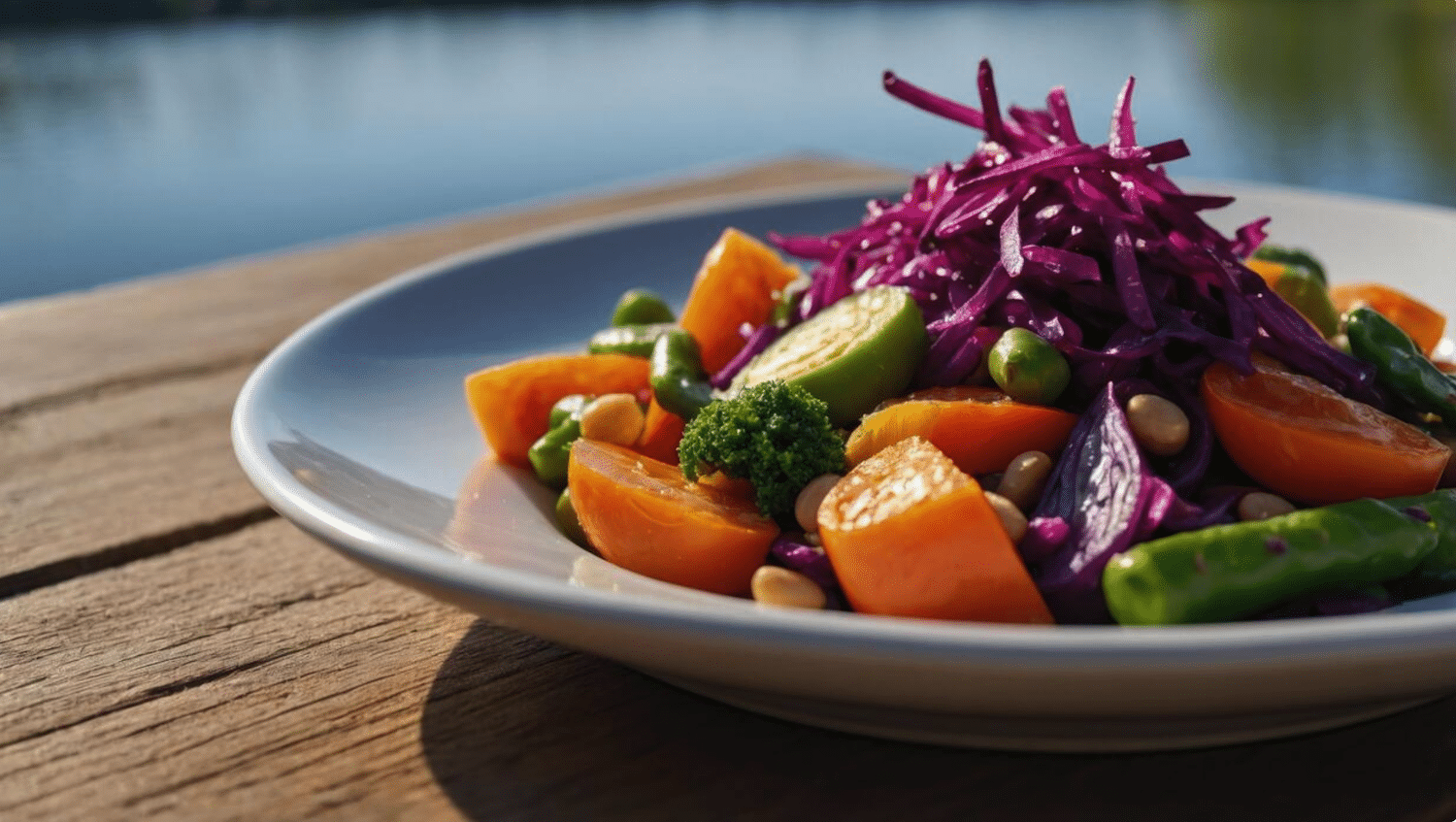
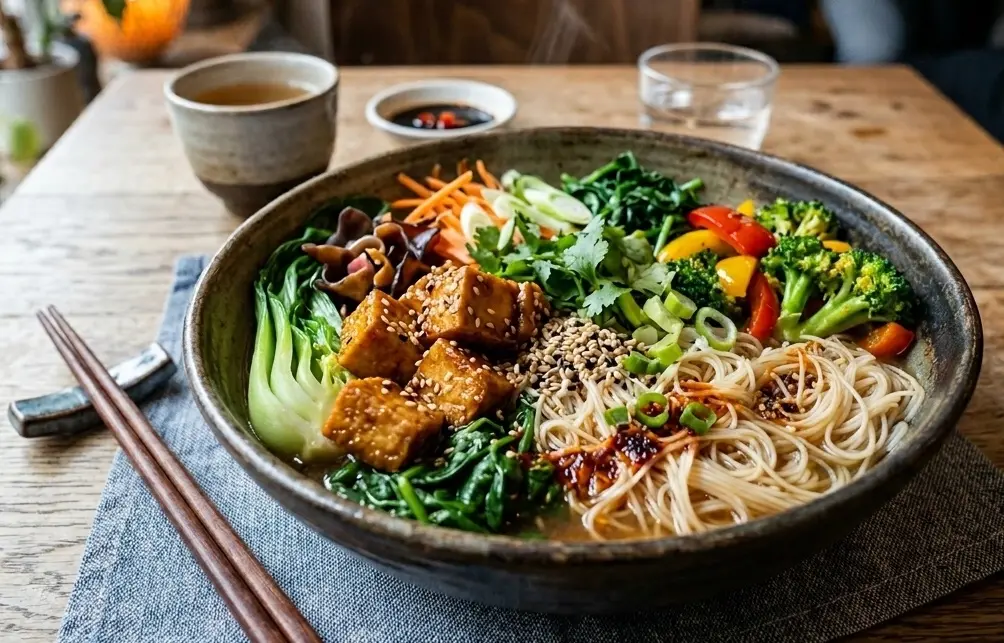
Vegetables, fruits, herbs, potatoes and many other plant foods are generally considered alkaline-forming. They tend to be rich in fibre, vitamins, minerals and protective plant compounds. A diet centred on these foods can support comfortable digestion, steady energy and long-term wellbeing.
Foods with a higher dietary acid load often include large amounts of animal protein, cheese, refined grains and heavily processed foods. The goal is not to eliminate every acid-forming food: beans, lentils, nuts and whole grains may be mildly acid-forming in calculations, yet remain valuable parts of a balanced vegetarian diet.
A SIMPLE, PLANT-CENTRED APPROACH
Build balance into every meal.
The healthiest diet is not determined by one ingredient or label. What matters most is the overall pattern of eating.
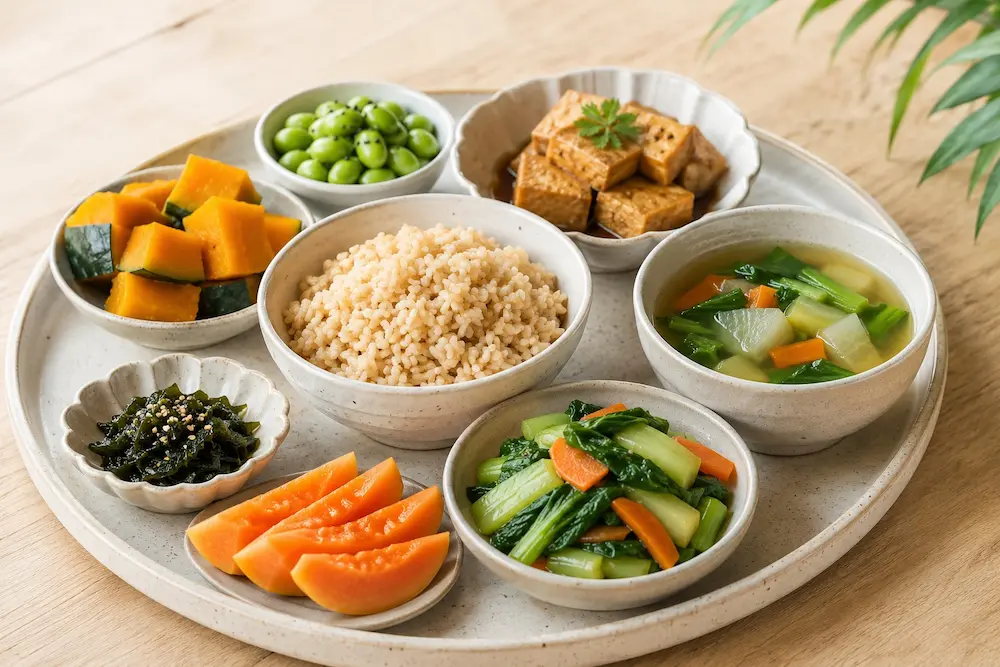
½ Vegetables & fruit
Make colourful vegetables the largest part of the meal, with some whole fruit during the day.
¼ Whole grains
Choose brown rice, oats, barley, millet, quinoa or nutritious starchy vegetables.
¼ Plant protein
Include beans, lentils, tofu, tempeh or another nourishing plant-based protein.
A small amount
Add nuts, seeds, avocado or a moderate amount of healthy unsaturated oil.
Water should be the main everyday drink. Unsweetened herbal teas can also be enjoyed.
VARIETY OVER PERFECTION
Foods to enjoy regularly
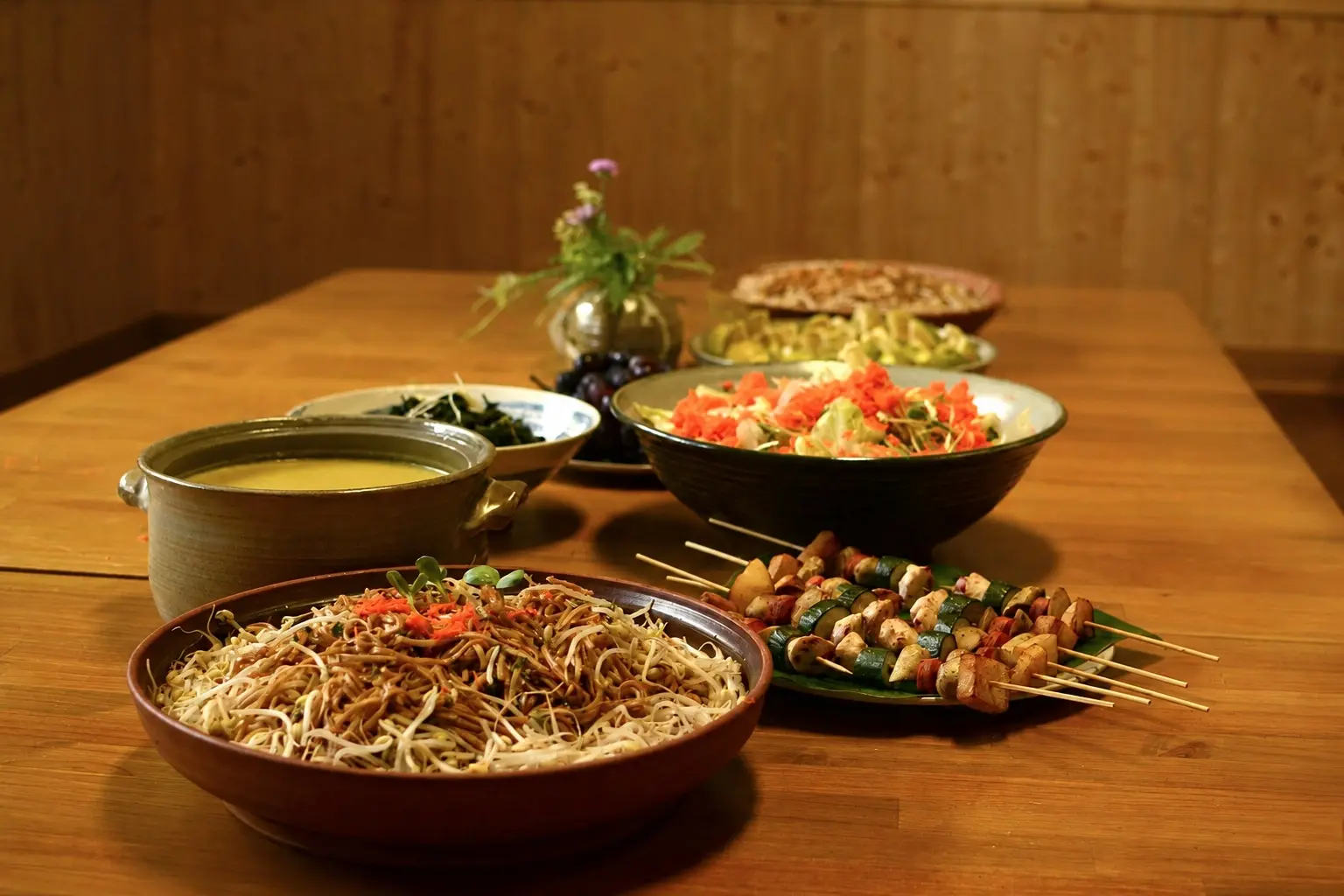
Different colours and food groups provide different nutrients. Variety is more valuable than relying on a single “superfood.”
Vegetables
Enjoy leafy greens, broccoli, cabbage, carrots, pumpkin, tomatoes and other colourful seasonal produce.
Whole fruit
Choose seasonal whole fruit for vitamins, minerals, fibre and protective plant compounds. Whole fruit is usually preferable to juice for everyday eating.
Whole grains & starches
Brown rice, oats, barley, millet, quinoa, buckwheat, corn, potatoes and sweet potatoes provide energy and important nutrients.
Beans, lentils & soy
Beans, chickpeas, lentils, mung beans, tofu and tempeh provide plant protein, fibre, minerals and complex carbohydrates.
Nuts & seeds
Walnuts, almonds, cashews, sesame, pumpkin seeds, chia and ground flaxseed provide protein, minerals and healthy fats.
Healthy fats
Choose mainly unsaturated fats from nuts, seeds, avocado and oils such as olive, rapeseed, soybean or sunflower oil.
QUALITY MATTERS
Foods to eat less often
Some foods can be enjoyed occasionally, but they should not form the main part of the diet:
- deep-fried food;
- sweets, cakes and confectionery;
- sugary drinks;
- highly refined cereals and white-flour products;
- heavily processed vegetarian convenience foods;
- products high in added sugar, salt or industrial trans fats; and
- excessive amounts of caffeine.
Being vegetarian or vegan does not automatically make a diet healthy. A pattern dominated by fried food, sweets, refined carbohydrates and highly processed meat substitutes may lack fibre, variety and essential nutrients. The quality and balance of the whole diet are more important than the label attached to it.

LISTEN TO YOUR BODY
Raw food or cooked food?
Both raw and cooked foods can be nutritious. Raw vegetables and fruit retain certain heat-sensitive nutrients and provide freshness, texture and fibre. Cooking can make some foods easier to digest and improve the availability of particular nutrients.
People who experience bloating, gas or digestive sensitivity may feel better with more steamed, boiled or lightly cooked food. Warm meals may also be more comfortable in colder weather. There is no single proportion that is ideal for everyone.
COMFORTABLE DIGESTION
How you eat also matters.
Digestion is influenced by portion size, eating speed, meal timing, stress and individual tolerance.
- Eat slowly and chew thoroughly.
- Stop when comfortably satisfied.
- Eat regular meals rather than constantly snacking.
- Allow time to digest before sleeping.
- Drink enough water throughout the day.
- Choose simpler meals when digestion feels unsettled.
- Notice which foods agree with your individual body.
A food that suits one person may cause discomfort for another. Persistent digestive symptoms should be discussed with a qualified healthcare professional.
PLAN WITH A LITTLE CARE
Important nutrients in a vegetarian diet
A varied vegetarian diet can provide the nutrients the body needs, but several deserve particular attention.
Protein
Include a reliable source at each main meal. Beans, lentils, tofu, tempeh, soy milk, nuts, seeds and whole grains all contribute protein.
Vitamin B12
Dairy products and fortified foods can provide B12, but intake varies. Vegans need a reliable fortified food or supplement, and some vegetarians may also require one. Seek professional advice if unsure.
Iron
Beans, lentils, tofu, seeds, whole grains and dark-green vegetables provide iron. Pair them with vitamin C-rich foods to support absorption.
Calcium
Sources include calcium-set tofu, fortified plant milk, sesame, tahini, legumes and certain green vegetables. Dairy can also provide calcium.
Omega-3 fats
Walnuts, chia seeds, ground flaxseed and rapeseed oil provide plant-based omega-3 fats.
Vitamin D & iodine
Needs vary with diet, sun exposure and location. Select supplements carefully, preferably with guidance from a doctor or registered dietitian.
CONSISTENCY OVER PERFECTION
Making change sustainable
Healthy eating does not require perfection. Sudden, highly restrictive changes are often difficult to maintain and may result in an unbalanced diet.
- 01Add another vegetable to your main meal.
- 02Replace one refined grain with a wholegrain alternative.
- 03Eat beans, lentils or tofu more regularly.
- 04Choose whole fruit instead of sweets or sugary drinks.
- 05Reduce deep-fried and highly processed foods.
- 06Prepare simple meals from fresh ingredients more often.
Choose changes that are enjoyable, realistic and suitable for your life. Consistency matters more than perfection.

SIMPLE FOOD, PREPARED WITH CARE
Our approach at Ananda Suruci
At Ananda Suruci, we serve fresh vegetarian food designed to support yoga, meditation and a calm, balanced state of mind.
Our meals follow the yogic tradition of a sentient diet and do not contain meat, fish, eggs, onions, garlic or mushrooms. This reflects our spiritual and ethical approach; we do not claim that every excluded food is medically harmful.
During our retreats, meals are prepared simply and carefully, with an emphasis on vegetables, fruit, whole grains, legumes and other nourishing plant foods. The intention is not to follow a complicated dietary system, but to help participants experience how satisfying simple, wholesome food can be.
THE ESSENTIALS
Healthy eating, made simple.
- Eat plenty of vegetables and a variety of whole fruits.
- Choose whole grains instead of refined grains more often.
- Include beans, lentils, tofu, nuts and seeds.
- Use healthy fats in moderate amounts.
- Limit deep-fried, sugary and highly processed food.
- Drink water regularly and make changes gradually.
A nourishing diet cannot guarantee perfect health, but it can provide a strong foundation for energy, comfortable digestion, healthy ageing and a calmer, more balanced way of living.